

Inclusion doesn’t always mean obvious, visible change. Sometimes it quietly reshapes entire fields, proving that genuine progress comes when we stop treating diversity as a footnote. Dory Jade knows this firsthand.
Read MoreMeet Cienna Ditri once and you might think she has it all figured out, confident and composed, always in motion. She travels, surfs, and leads a nonprofit with ease. What looks effortless, though, took years to build.
Read MoreAt eight years old, after a ballet class, Sarah Todd Hammer suddenly lost strength in her arms. By the next morning, she was paralyzed from the neck down — her childhood changed in an instant.
Read MoreAnnie Segarra has spent most of her life being misread. As a child, her physical limitations were seen as laziness. Her neurodivergence went undiagnosed.
Read MoreDisability is part of every society, yet most systems, from education to employment, still treat it like an exception. Too often, access is reactive. Inclusion comes with conditions.
Read MoreIn a world increasingly run by digital systems, access isn’t a bonus feature, it’s a basic need. From logging into an internal tool to ordering a laptop, small design decisions can either enable independence or quietly shut it down.
Read MoreInclusion in fashion isn’t just about seeing a broader range of faces, it’s about changing how the industry thinks about talent, value, and who belongs.
Read MoreThe media and beauty industries are evolving to reflect more diverse stories, but for many disabled professionals, real inclusion remains out of reach.
Read MoreMany take dance for granted as a universal language of expression. Yet, for dancers with disabilities, breaking into the industry is challenging. Chelsie Hill is set on changing that.
Read MoreThe music industry thrives on creativity, diversity, and connection, yet accessibility for disabled professionals often remains an afterthought.
Read MoreNew at WDAA Blog
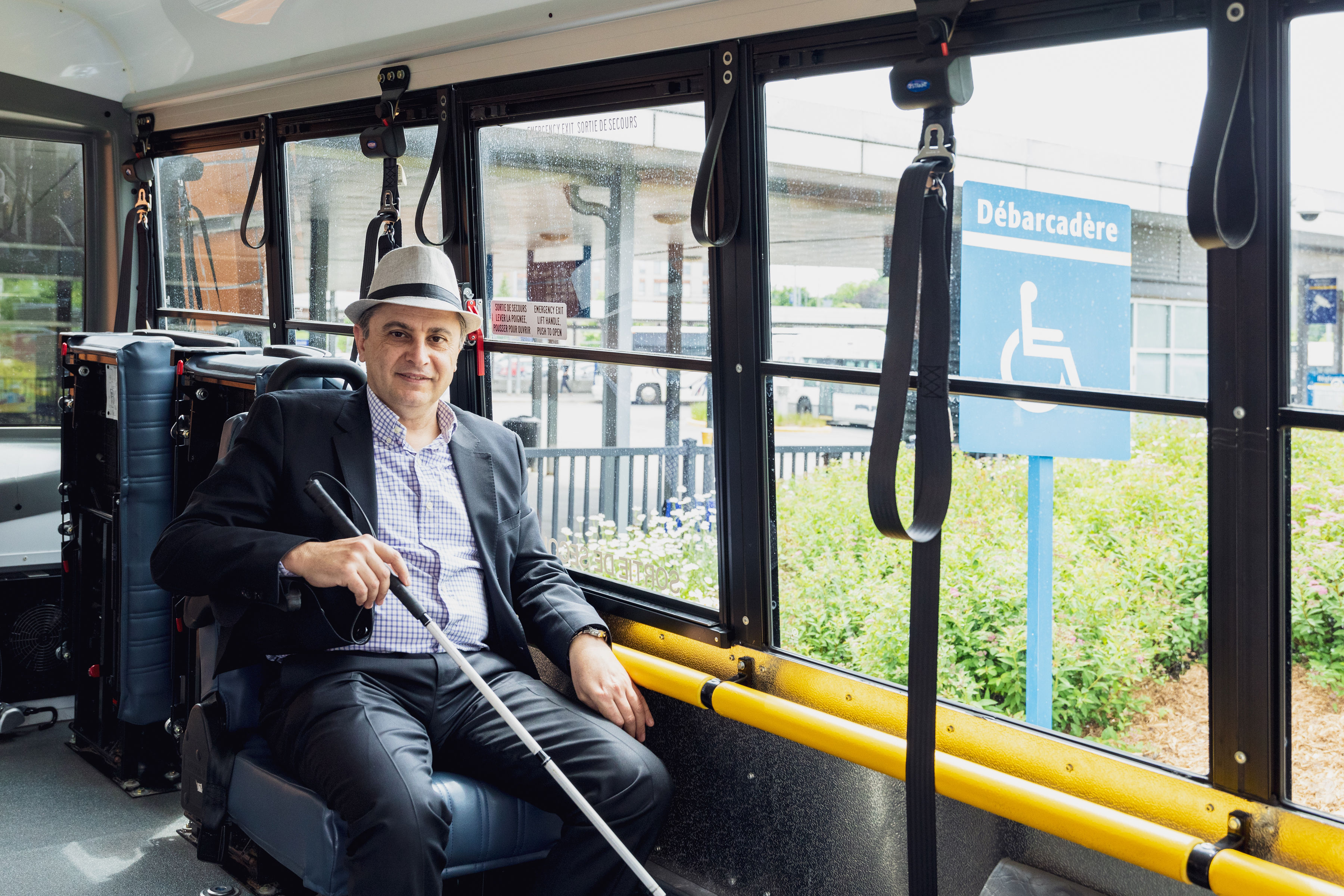
Inclusion doesn’t always mean obvious, visible change. Sometimes it quietly reshapes entire fields, proving that genuine progress comes when we stop treating diversity as a footnote. Dory Jade knows this firsthand.

Meet Cienna Ditri once and you might think she has it all figured out, confident and composed, always in motion. She travels, surfs, and leads a nonprofit with ease. What looks effortless, though, took years to build.

At eight years old, after a ballet class, Sarah Todd Hammer suddenly lost strength in her arms. By the next morning, she was paralyzed from the neck down — her childhood changed in an instant.


